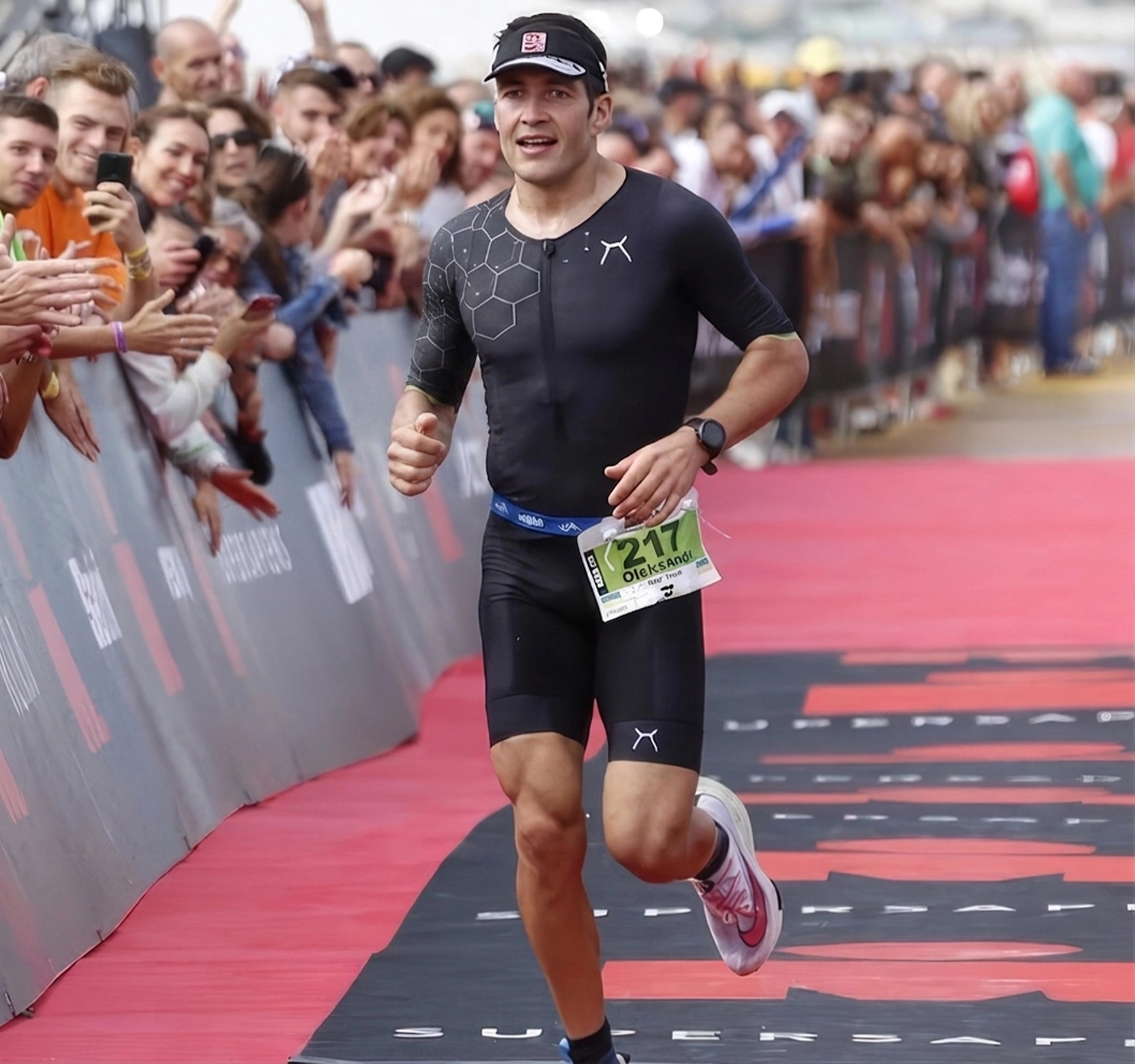
Oleksandr Osypchuk
thriathlon
A world where pace, transition, and control remain visible.
Where pace becomes structure
Triathlon is not one effort. It is a sequence. Swim. Bike. Run. Transition. Pace.
Each phase changes the condition. The structure has to continue.
In this environment, control is measured by the ability to keep rhythm while the system changes.
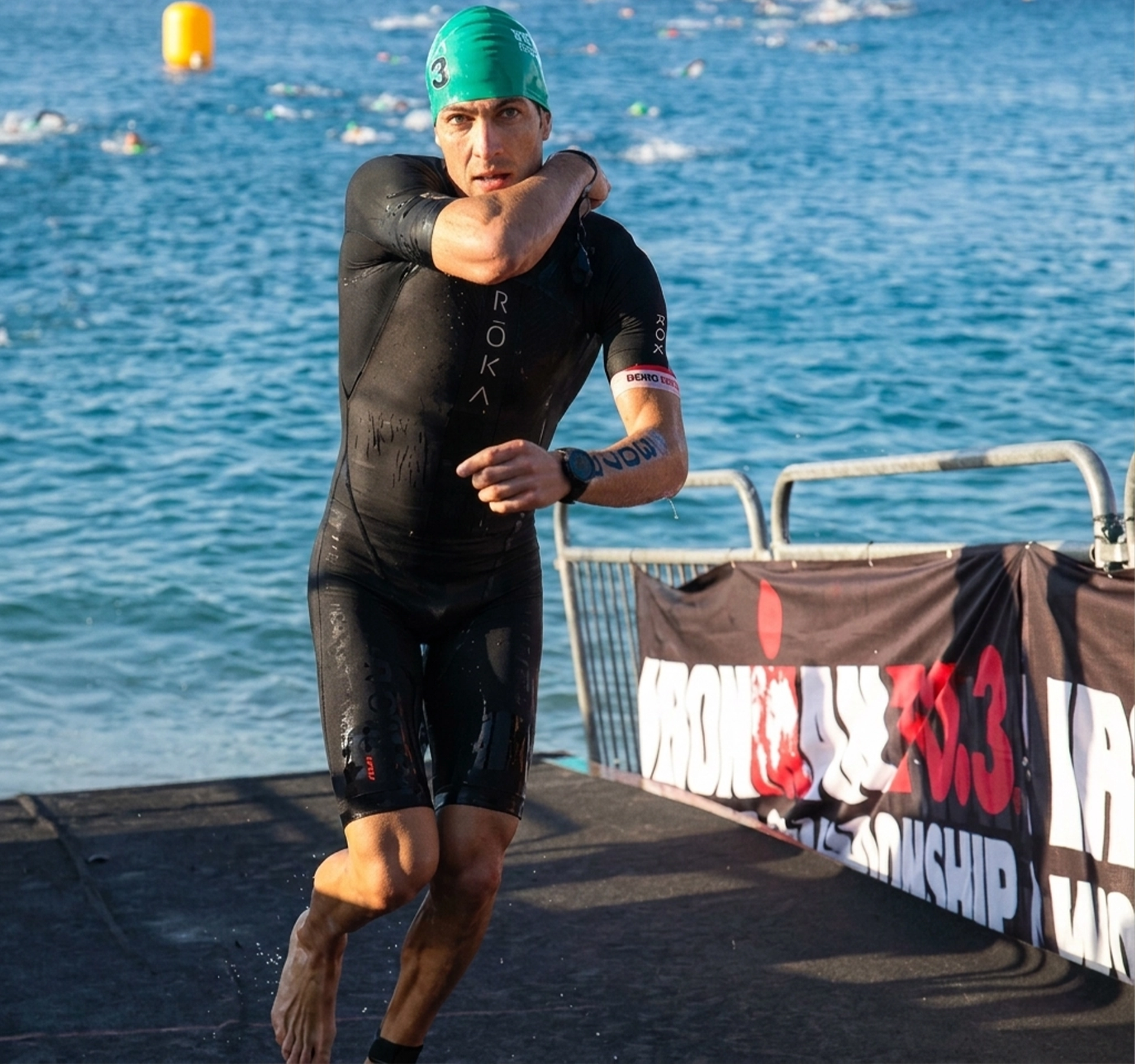
Built through transition
His standard was shaped through repetition, disciplined pacing, and the ability to move from one condition into another without losing form.
In triathlon, endurance alone is not enough.
Pace must remain readable.
Transition must remain controlled.
Rhythm must continue.
This is where the MINQON standard becomes visible:
continuity held across changing phases.
Control across phases
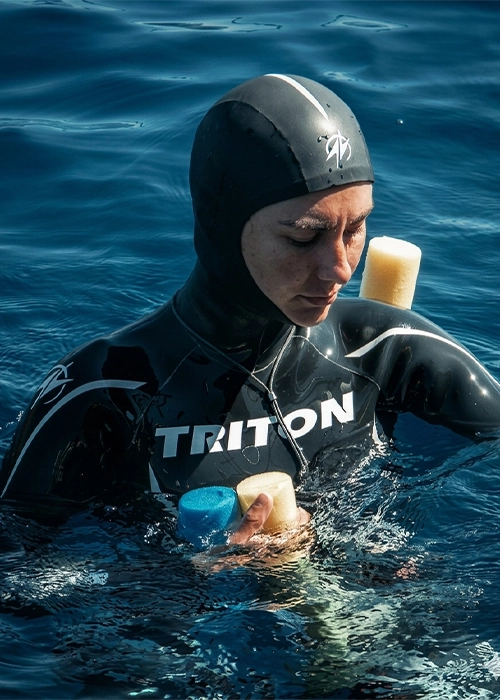
Every discipline changes the demand. Water changes breathing. The bike changes rhythm. The run changes load. Transition tests the structure between them. What remains visible is not intensity. It is control carried from one phase into the next.
Continuity through transition
In triathlon, the decisive test is not only distance. It is the ability to remain structured when the environment changes. One phase ends. Another begins. The rhythm must not collapse between them. This is where MINQON becomes visible:
not in a single effort, but in continuity across changing conditions.
MINQON Family
Oleksandr Osypchuk moves in a world where pace, transition, and control remain visible. That is why his presence here feels exact. Triathlon reveals one of MINQON’s central principles:
structure matters most when conditions keep changing.